


As a growing business with multiple locations, it’s important that customers can easily find your nearby stores. A store locator software helps users quickly find the right location, get directions, and check store details without confusion.
Location-based marketing takes this further by helping you reach the right customers based on where they are and what they need.
This guide explains what location-based marketing is, its types, real-world examples, and how a store locator supports it.
What Is Location-Based Marketing?
In simple terms, location-based marketing is a strategy that analyzes a customer’s behavior with regard to location data, both in the past and in real time, to shape targeted marketing messages. You can also deliver personalized offers and experiences to customers when you know their preferences.
Businesses can easily connect with potential customers based on their location via push messages or alerts.
A fast-food joint sends a notification for 20% off when you are close
A fashion boutique brand shows ads for its closest
outletA website displays “Find a store near you.”
Why does this work so well? The shoppers of today are very mobile; they are always on the go. Look at the following statistics:
91% of adults in the US own a smartphone, which facilitates location tracking
You can increase conversions by 25-30% when launching location-based and personalized marketing campaigns.
Why Location-Based Marketing Matters for Small Businesses
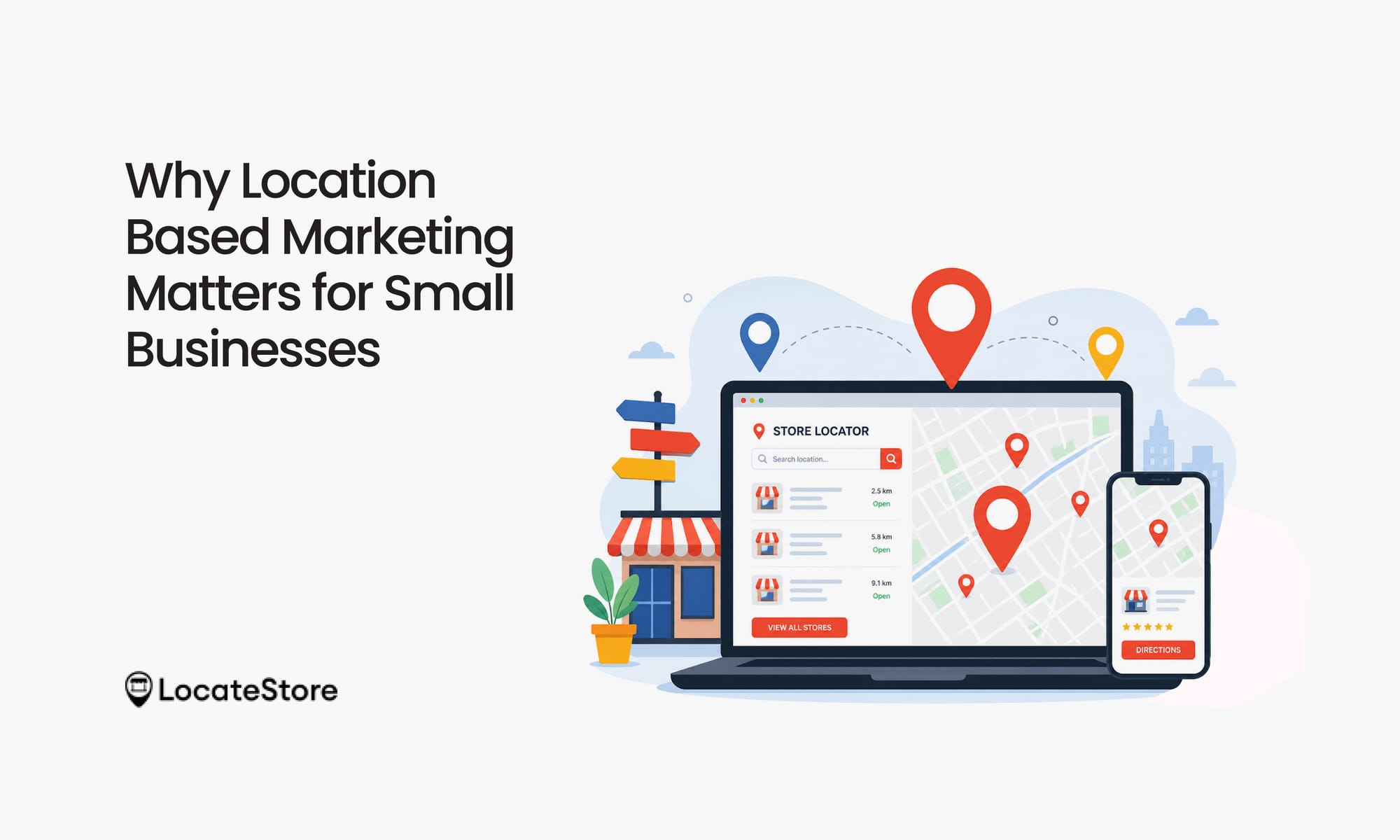
Location-based marketing can offer huge benefits to small and medium-sized businesses in the US.
Major Benefits:
- Increased conversion rates due to proximity
- Personalized messaging and targeted offers deliver an enhanced customer experience
- Higher foot traffic in the physical stores without additional marketing
- Better local SEO and visibility
Conventional marketing or advertising is not always successful at targeting the right people. It is especially not the right method to target people who are close to your stores. So you could end up getting low ROI on such methods.
However, in location-based marketing, you can successfully target people who are near enough to walk into your store.
Types of Location-Based Marketing
Businesses use location data in many ways. Here are the main types:
1. Geotargeting
- This method targets shoppers based on their general location, such as region, city, ZIP code, distance, or radius.
- Mobile data and/or IP addresses are studied to achieve this.
Example: Displaying ads for couture winter clothing only to people in Manhattan
2. Geofencing
- Similar to building a fence, this method builds a virtual boundary around a specific location
- Shoppers receive notifications when they enter or leave a specific area
Example: A supermarket sends you a coupon when you are close by.
3. Beacon Marketing
- Customers inside stores are targeted via Bluetooth devices
- When customers are very near, they receive hyper-personalized messages like: “25% off on breakfast cereals in the aisle you’re standing in”
4. GPS-Based Mobile Marketing
Here, customers are tracked through GPS data in real time from their smartphones and targeted with personalized marketing messages.
5. Location-Based Search Ads
These get triggered whenever shoppers search for products or services close to their location.
Example: “Mexican food near me” shows restaurants nearby serving that cuisine.
6. Store Locator
This is one of the most powerful and efficient methods of location-based marketing. Unfortunately, it is not taken as seriously as it should be.
A store locator helps shoppers to:
- Find stores or service centers close to them
- Get driving directions
- See the hours of operation
- Check the contact details for the store
- Verify product availability.
A store locator tool helps to create a seamless flow between online browsing and offline store visits.
How Does a Store Locator Power Location-Based Marketing?
A store locator is more than just a tool. It helps improve your location-based marketing in the following ways:
Converts Online Traffic into Store Visits
Shoppers who are searching for your brand, or even products you sell, have a high purchase intent; that is, they are quite likely looking for a physical store that they can visit.
A store locator instantly shows customers the store that is closest to their location, thereby ensuring smooth and hassle-free decision-making. Consequently, stores experience increased walk-ins and higher sales.
Boosts Local SEO
With an optimized store locator widget on your website, you can be sure that Google will rank every store page pretty high. You will also be able to capture the ‘near me’ searches.
This helps to improve your brand visibility in local search results and Google Maps as well.
Supports Geotargeted Campaigns
If you run location-based marketing campaigns, then a store locator is an invaluable tool. It acts as the landing page, enabling users to find an outlet nearest to them by clicking on ads.
It’s highly possible that users may just move away when you don’t have a store locator, simply because there is nothing to direct them towards your store.
Provides Data for Better Marketing
Modern store locator tools like LocateStore show popular search locations and user activity, helping businesses improve their marketing.
- The most highly searched locations
- Stores that see higher traffic
- Patterns of customer purchase and other behavior.
These details help you to design and optimize your marketing campaigns and identify areas that are in high demand.
Enhances Customer Experience
The modern customer is discerning and demanding, and expects:
- Speed and accuracy
- Added convenience
- Driving directions to reach the store
- Store contact information
- Hours of operation
An effective store locator widget delivers all this and more.
Bridges Online and Offline Marketing
A store locator works in this way:
- A shopper sees an ad
- Clicks on the link
- Finds the store most conveniently located
- Walks into the store
Examples of Brands Using Location-Based Marketing
Burger King
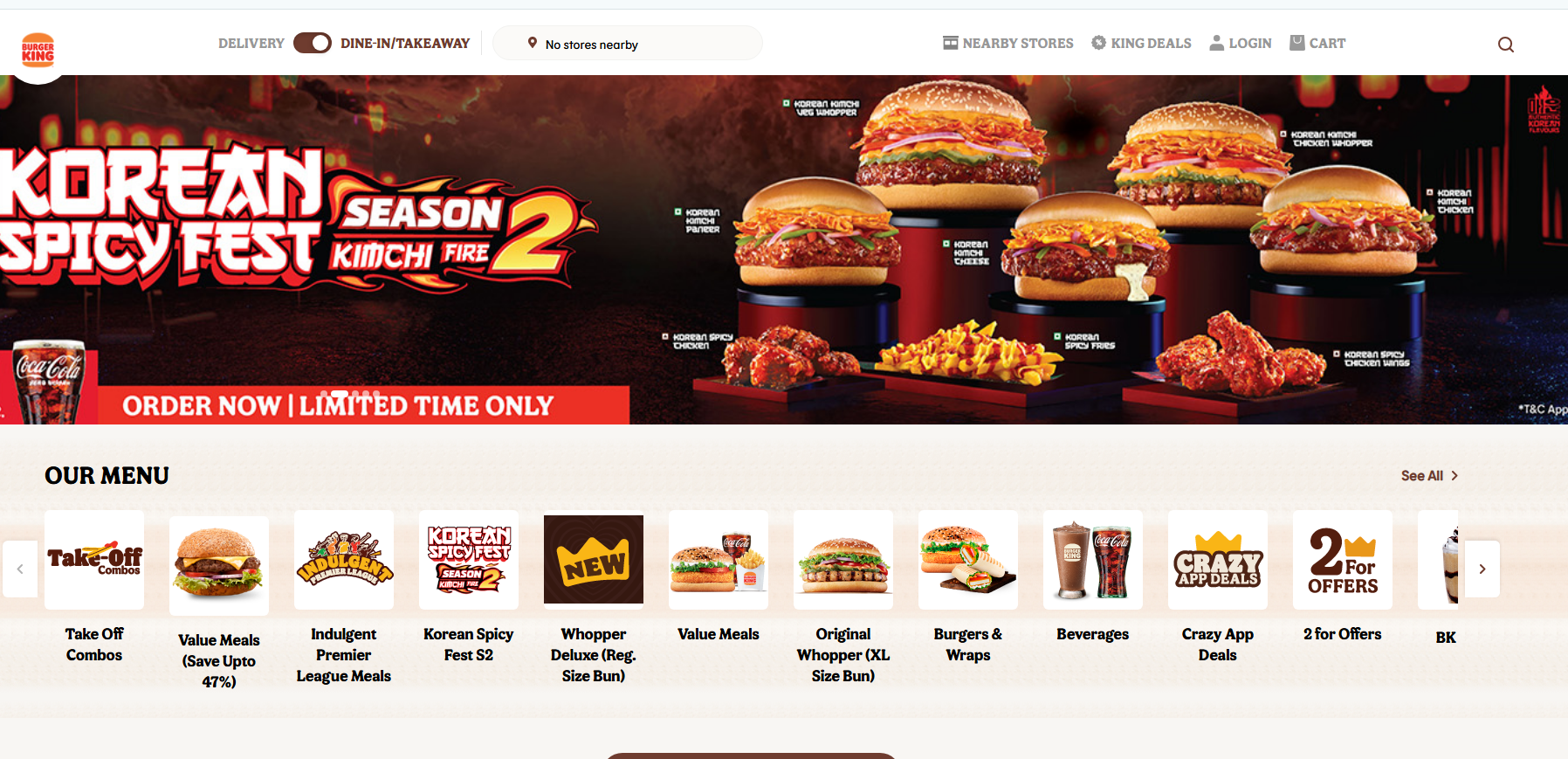
Targeted users whose location showed them near competitors like KFC or McDonald’s with deals and discounts. This resulted in 3.2 million app downloads and a 50% surge in active users.
Starbucks
Through geofencing, this coffee giant sends push notifications for new items and discounts or special offers whenever users are within a specific radius. This helps them leverage impulse purchases.
Target
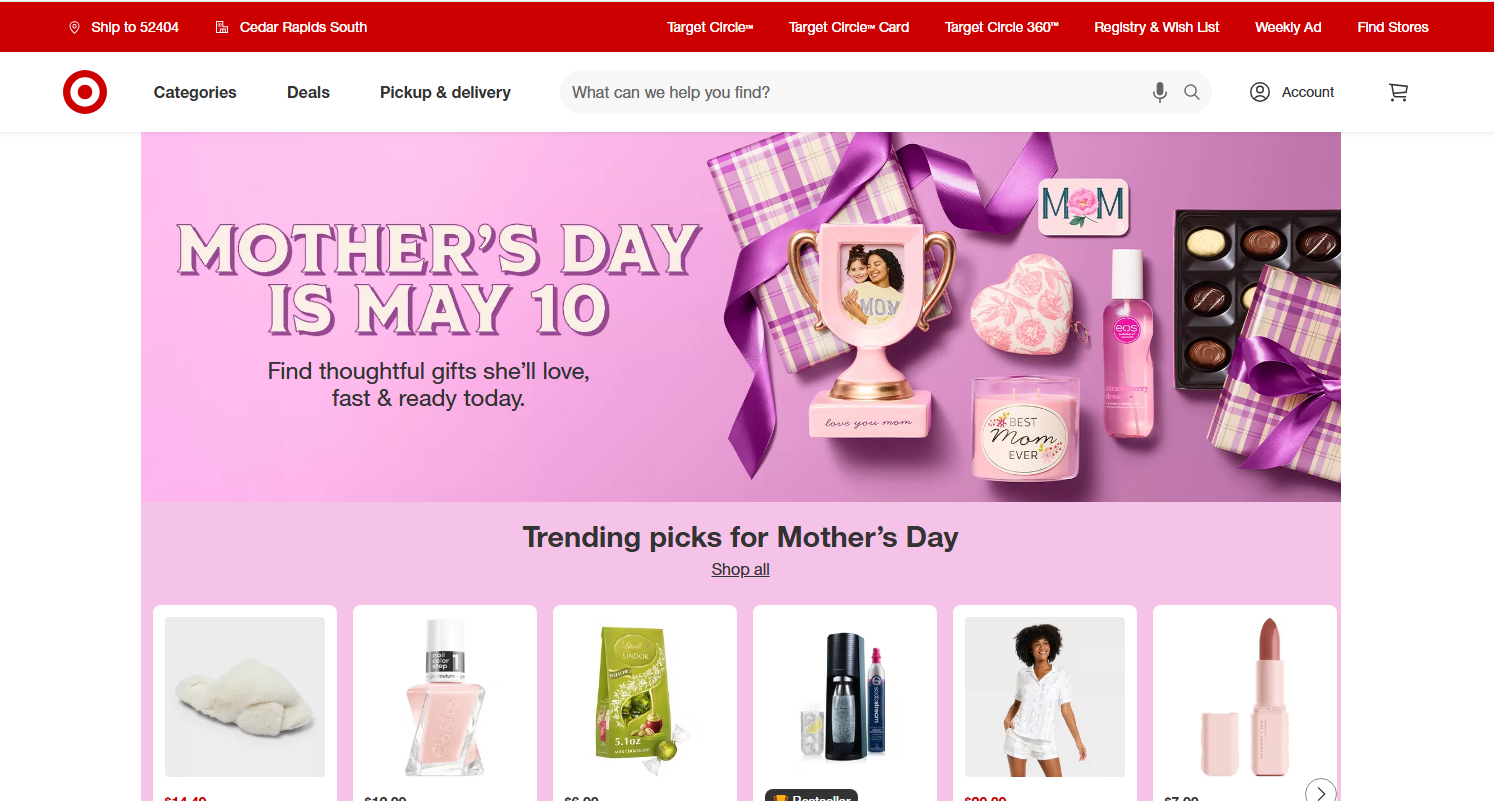
Using Bluetooth beacons, this retail chain helps shoppers find products easily and discover items on offer within the store. If shoppers have digital shopping lists, the store sends instant coupons for products that are next to them.
Volvo
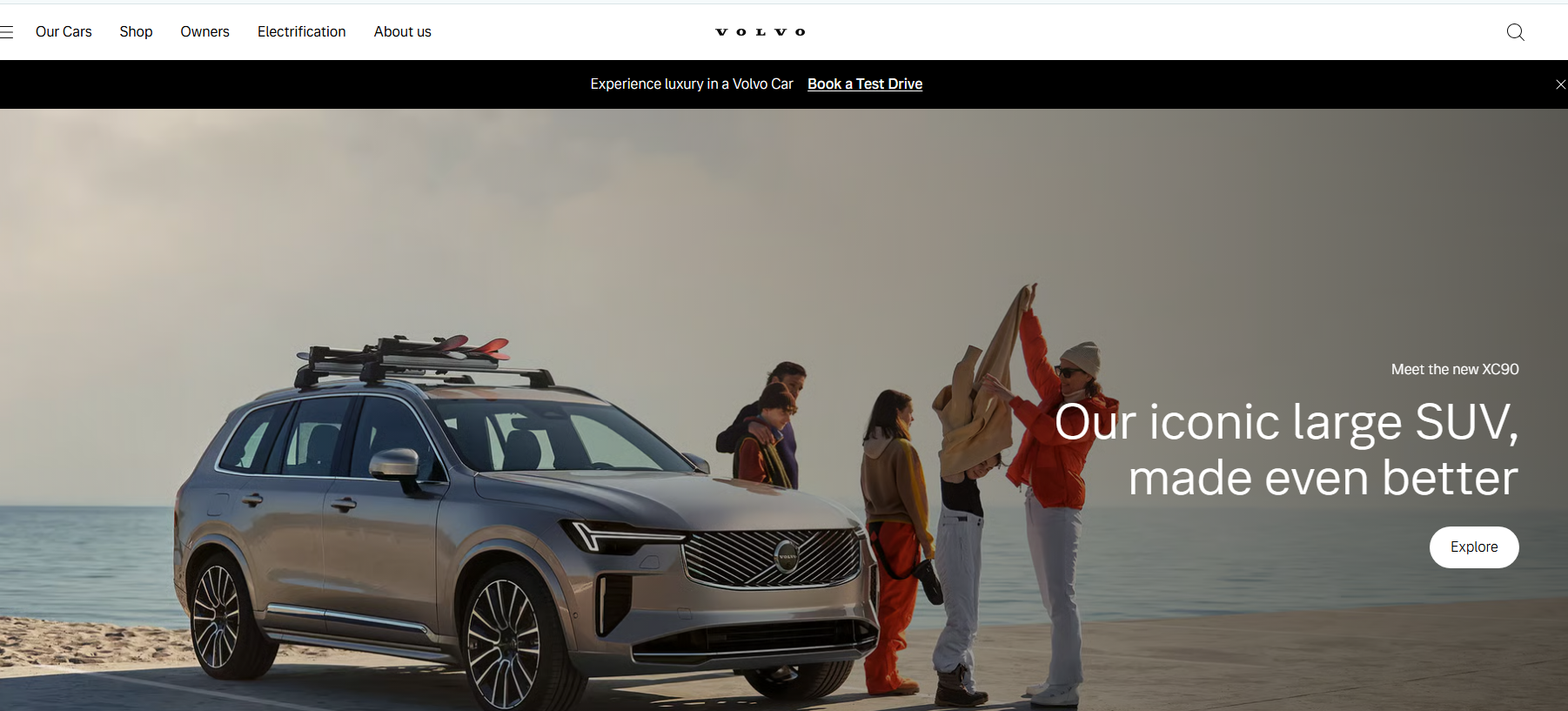
Volvo targeted specific geographic areas through an accurate location-based strategy to ensure higher dealership visits. The campaign succeeded in getting close to 150 new customers right into their showrooms in the first month itself.
How Location-Based Marketing Works
Step 1: Location Data is Collected Via
- GPS
- Wi-Fi
- IP address
Step 2: Users are Categorized Based on
- Their location
- Behavior and preferences
Step 3: Trigger Campaigns With
- Ads
- Notifications
- Emails
Step 4: Drive Action
- Visit a store
- Cash in offers
- Explore options close by
Step 5: Measure Results
- Organic footfall
- Conversions
- Engagement
Advantages of Location-Based Marketing
- They are highly targeted and aimed at people with purchase intent and ready to buy
- It delivers higher ROI and less wastage on marketing spend
- You can instantly connect and engage with customers
- Get more foot traffic into your physical stores.
Disadvantages of Location-Based Marketing
- Many users may not be willing to share location data due to privacy concerns
- It is completely tech-dependent, requiring the use of the internet, apps, GPS, etc.
- There can be mistakes in location tracking, and data accuracy issues may arise
- Users can get annoyed and put off by too many notifications
Location-Based Marketing vs Traditional Local Advertising
Why Store Locator Software Is Essential for Growth
If you want to grow your business, you need a store locator. It helps you:
- Capturing local intent
- Enhancing customer journeys
- Reducing friction
- Turning online clicks into offline visits
Also Read: The Importance of Store Locator for Different Business Types
Conclusion
We can safely conclude that a location-based marketing campaign is a critical strategy for your business, especially if you are serious about growing your business.
The right store locator can help you
- Reach nearby customers at the right moment
- Deliver targeted marketing messages, personalized offers, and experiences
- Increase foot traffic in stores
A store locator can convert your location-based marketing into actual revenue.
Customers may find you online, but without a store locator, they may not know how to get to your store.
Scale your business and improve your local visibility; boost conversions and enhance revenues, all this by investing in the ideal store locator tool for your business, like LocateStore.
FAQs
How does location-based marketing work?
User location is identified with the help of data collected from GPS, IP addresses, or smartphones. Targeted ads, personalized offers, and marketing messages based on the identified location are sent to the customer to increase engagement.
Which is the best store locator for location-based marketing?
An ideal store locator should be user-friendly, fast-performing, accurate, and provide analytics that help shape marketing campaigns and inventory planning.
As it’s based on Google Sheets, updates in LocateStore are very simple. Setup and management are easy, and real-time syncing is available.
What are the disadvantages of location-based marketing?
- Issues with privacy
- User permissions may not be forthcoming
- Inaccurate location tracking
- Over-targeting can also drive customers away
What is the difference between location-based marketing and traditional local advertising?
- Location-based marketing is more relevant, happens in real time, and is based on actual data
- Conventional marketing has a wider scope and reach, and is not highly targeted.