
Learn how to measure and grow foot traffic to your store.
How many people came into your shop today? That number is your foot traffic. Tracking it helps you understand busy periods and investigate changes in sales.
This guide explains what counts as a visit, how to start counting, and ways to encourage more people to come in.
Foot traffic is the number of visits people make to a physical location during a set period. For a retailer, that usually means visits to a shop during an hour, a day, or a week. It is also called footfall.
For example, imagine 80 people each enter your shop once on Monday. Your foot traffic that day is 80 visits, even if only 15 people buy something.
A visitor who browses and leaves still counts. If someone comes back later, that can count as another visit. This is why a visit count may be higher than the number of different people who visited.
These numbers answer different questions:
| What you count | What it tells you | Example |
|---|---|---|
| People walking past | How many people pass your entrance | 500 people pass the shop |
| Visits to your store | How many times people enter | 80 people each enter once |
| Sales transactions | How many purchases are completed | Your checkout records 15 purchases |
These are example numbers, not targets for a store. Keeping the counts separate helps you choose what to improve. If many people walk past but few enter, you could test a clearer sign or window display.
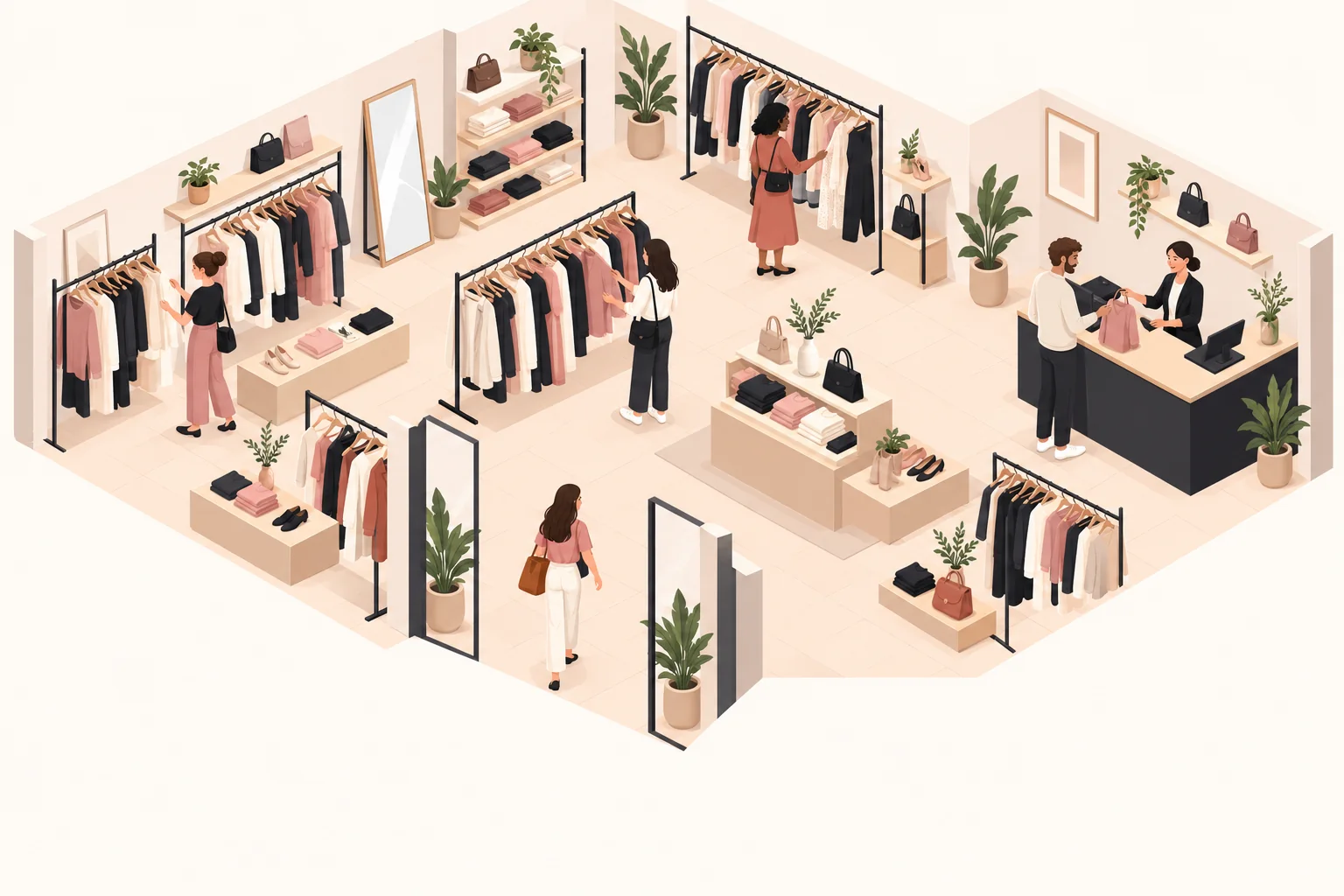
Sales records show what people bought. A visitor count adds another piece of information: how many visits those sales came from.
Suppose your shop makes fewer sales this week. Did fewer people visit, or did visitors buy less?
If visits have fallen, check whether customers can find your store and whether your opening hours suit them. If visits are steady but purchases have fallen, check product availability, prices, and service.
A visitor count helps you decide what to investigate. It does not explain the cause on its own.
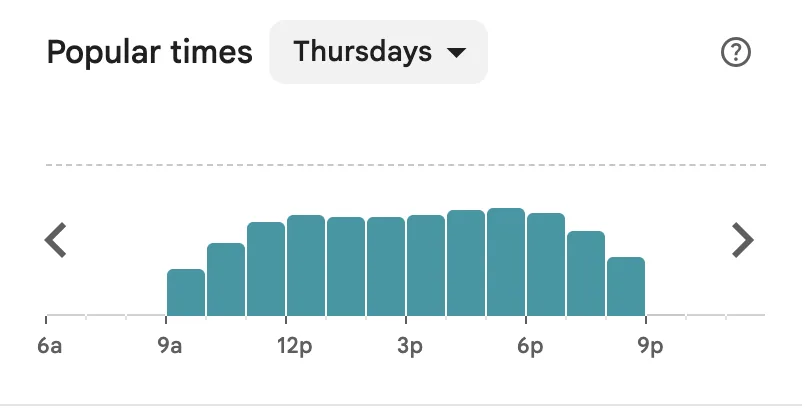
Counting visits by hour helps you see when people need help. For example, a shoe shop might receive many visitors on Saturday afternoon, including people trying on shoes without buying.
Those visitors still need staff time. Compare hourly visit counts with your staff schedule when deciding when to put more people on the shop floor.
If you hold an event or advertise an offer, compare visits with similar days before it started. Record other changes, such as rain or a nearby festival, that could affect the result.
More visits during a promotion are useful to track. They do not prove the promotion caused the increase.
Several things can influence whether someone visits your store:
Start with what you can check today. For example, search for your store on your phone and confirm that the address and hours are correct.
You can start with a notebook or a handheld clicker. Count people entering your store and record the hours you observed.
If you count for two hours, your result describes those two hours. Do not treat it as a full-day total.
For a busy store, a door counter can make regular counting easier. Check its results against a manual count to see whether it misses people or includes exits and staff.
Our guide to measuring foot traffic explains the counting options in more detail.
Conversion rate describes the share of visits that result in a purchase.
For example, imagine 100 people each visit your shop once and 20 of them each make one purchase. Your visitor-to-purchase conversion rate is:
20 purchasing visits ÷ 100 total visits × 100 = 20%.
That means one in five visits resulted in a purchase. These numbers are an example, not an industry benchmark.
Stores often use sales transactions divided by visits as a practical measure. Multiple purchases during one visit can affect that calculation, so use a consistent method when comparing results.
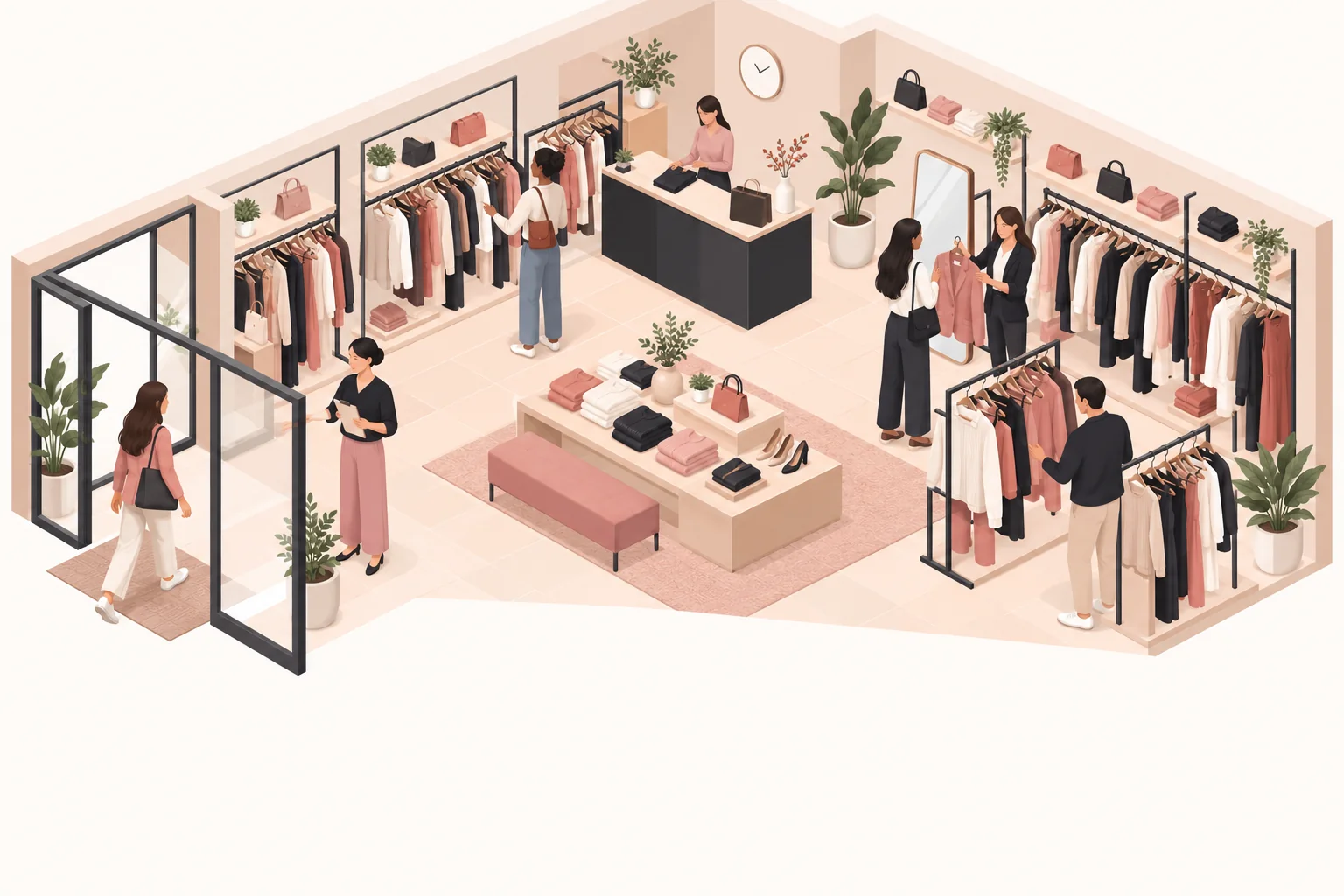
Choose an action that fits the problem you have noticed. Here are five places to start.
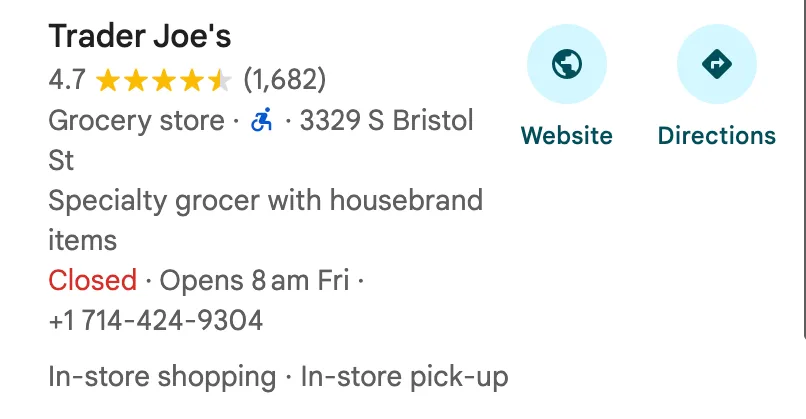
A Google Business Profile is the listing that shows your business details on Google Search and Maps. Check that it has your correct address, business category, phone number, and opening hours.
Google says complete and accurate business information makes a business more likely to appear in relevant local results. Keeping those details current also helps customers know where and when they can visit.
For example, a customer looking for a shoe repair shop needs to know that you offer repairs and are open today.
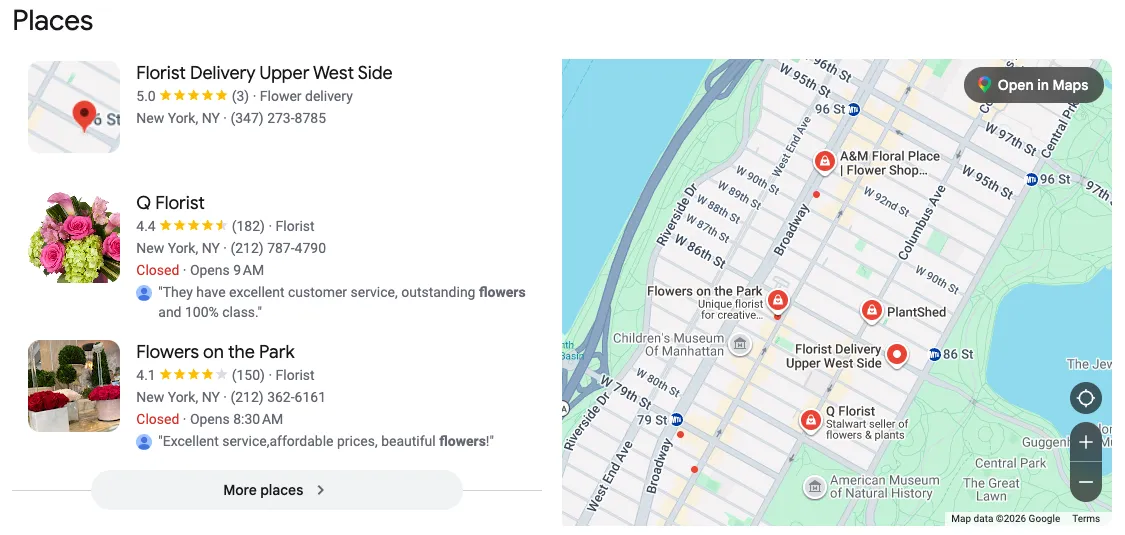
If you do not have a profile, follow our guide to adding your business to Google. For more detail on appearing in local searches, read the Google Maps SEO guide.
Show your address, opening hours, phone number, and a directions link. Add helpful details such as the nearest station or where to park.
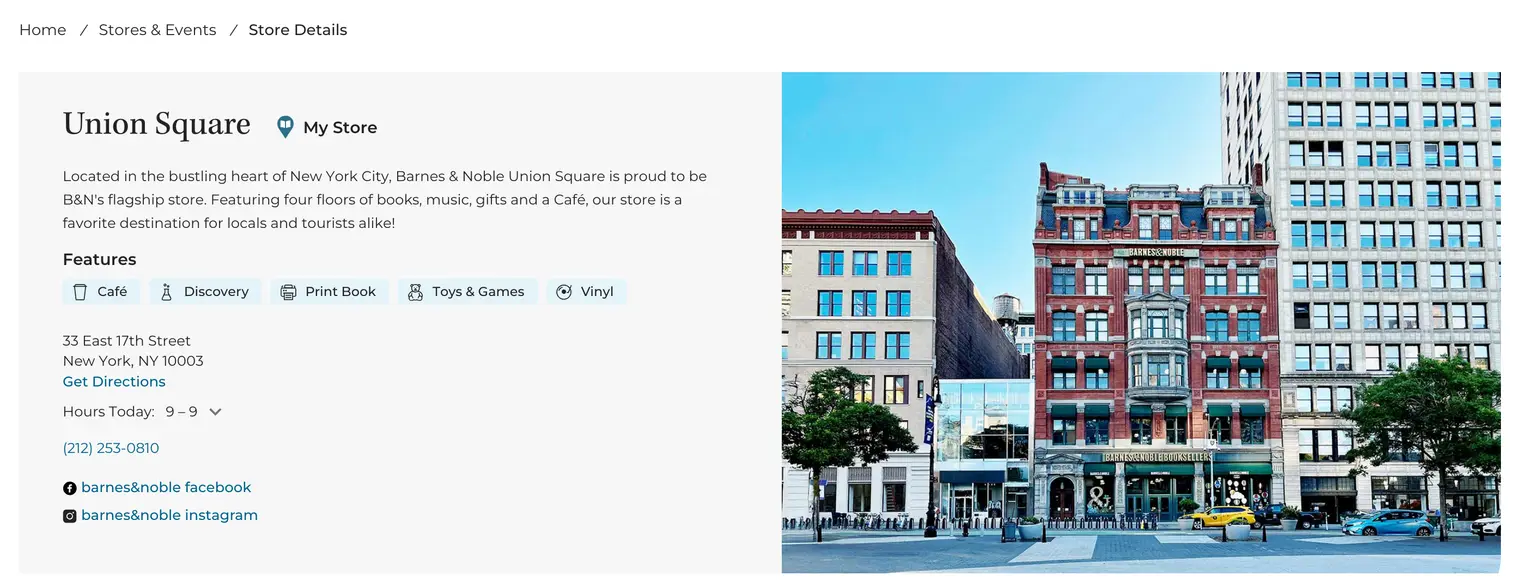
If you have several branches, give each one its own details. A store locator lets visitors search for a nearby branch instead of reading a long list of addresses.
For example, someone checking your website on their phone should be able to find the nearest branch and check its hours before travelling.
Check your shop from the other side of the street. Can someone tell what you sell? Can they see the entrance and read the sign?
Try one clear message in your window. A bakery could show “Fresh bread from 8 am” beside its opening hours. Count visits before and after the change during comparable hours to see whether entries change.
In-store pickup lets customers order online and collect their purchase at your shop.
In Sensormatic Solutions’ 2025 US back-to-school survey, 46% of respondents expressed interest in buying online and picking up in store. That finding describes shopping plans for a particular season and market; it does not predict results for your shop.
If you offer pickup, make the collection hours and instructions clear. Count collections that bring customers inside as store visits. Record curbside collections separately if customers do not enter.
Choose an activity related to what you sell. A garden shop could hold a seed-planting demonstration. A bookshop could host an author reading.
Tell people what will happen, when it starts, and how to find the shop. Record visits on the event day and compare them with similar days. Check sales and event costs too, so you can judge whether to run it again.
For more options, read how to increase foot traffic. If you need help promoting an offer, the foot traffic marketing guide covers ways to reach local customers.
There is no single number that suits every store. A small furniture showroom and a busy grocery shop have different products, visit patterns, and costs.
Start by learning your own pattern. Compare the same days and hours over several weeks, and compare seasons when you have enough history.
Then look at visits alongside purchases and sales value. More visitors are useful when your shop can serve them and make enough sales to cover its costs.
Choose a few fixed hours to count visits this week. Record the same hours next week, along with purchases and any unusual events.
While you count, check one thing customers rely on: your opening hours, address, or entrance sign. Once you understand your usual visit pattern, choose one improvement and track what happens.
Close the gap between a search and a visit
A customer who wants you but cannot tell which branch is nearest is a visit you already earned and then lost. A store locator answers that in one tap. Free, from a Google Sheet.
Create a MapIf you have more questions, feel free to contact us
Help customers find your locations easily